This question usually comes up when cost is front of mind. The roof is aging. Repairs are adding up. Replacement feels expensive. At that point, homeowners start looking for ways to reduce the scope.
Installing a new roof over the old one sounds like an easy shortcut. Less labor. Less mess. Lower price. Sometimes it works. Often it doesn’t. That’s where a Topeka roofing company helps separate what’s allowed from what’s smart.
Roofing Over An Existing Roof Is Called An Overlay
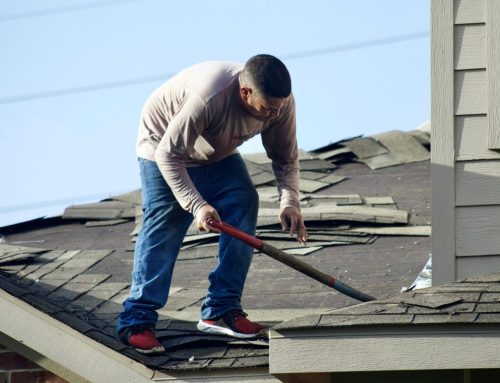
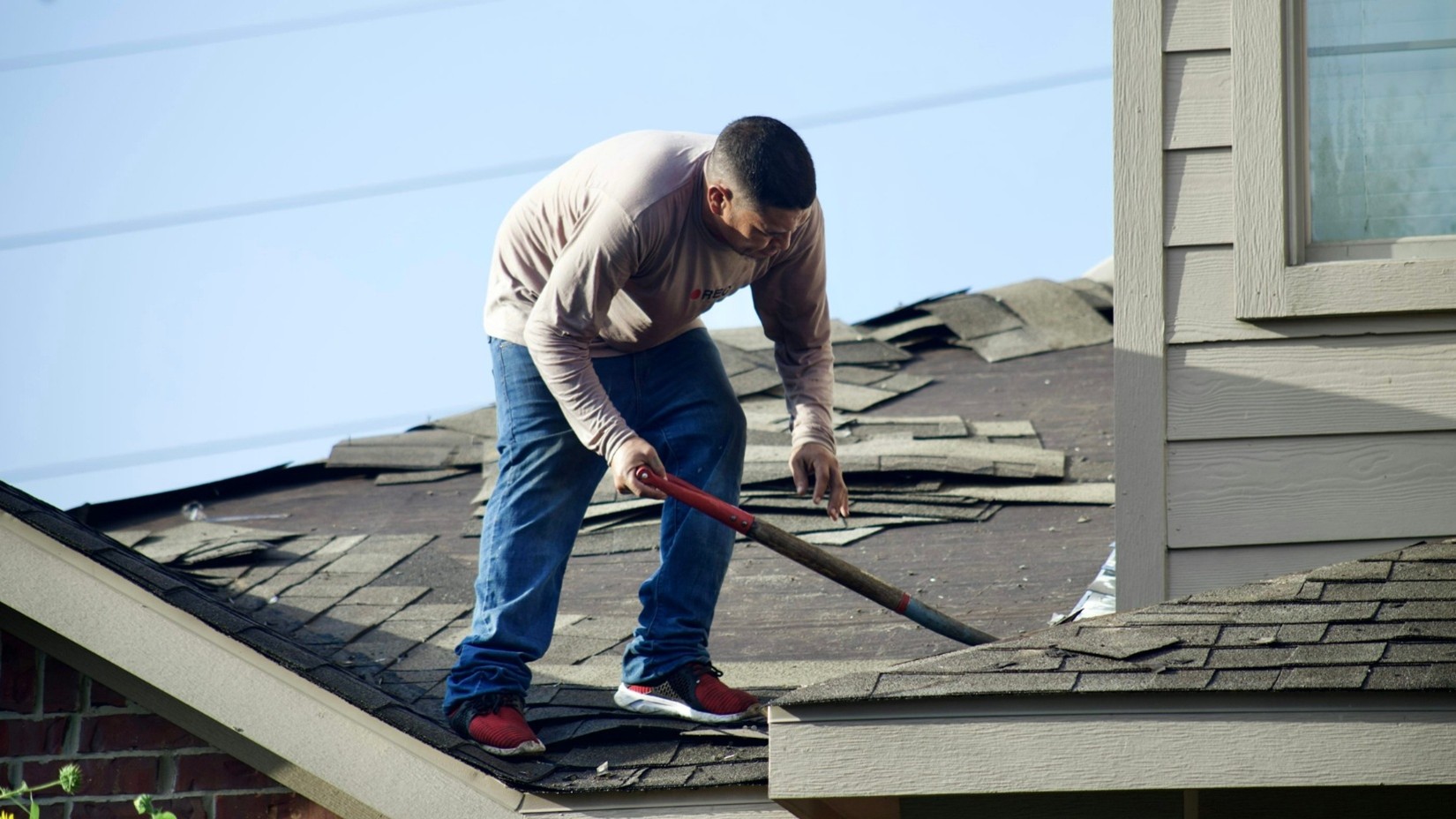
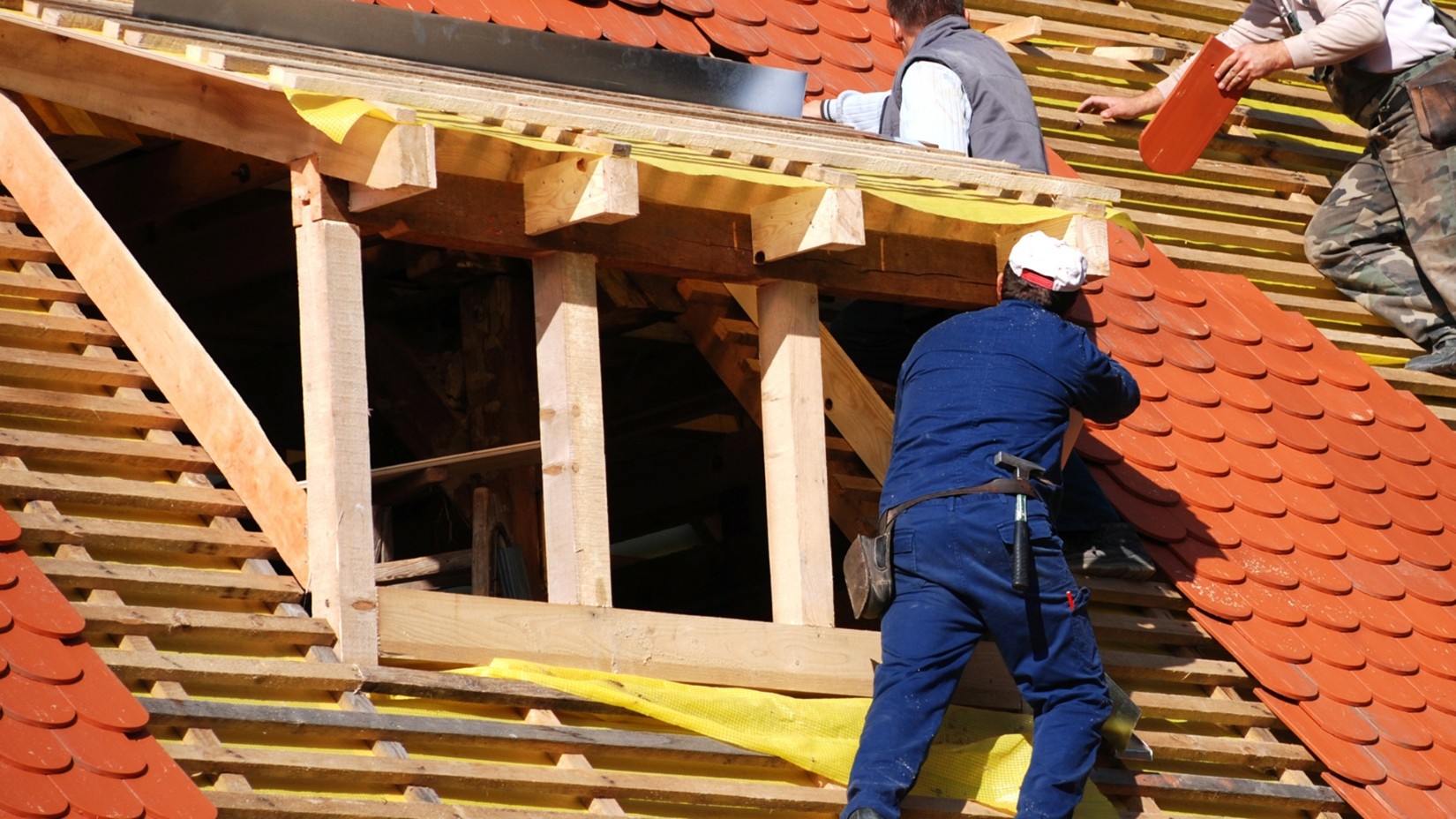
An overlay means installing new shingles directly over existing ones. No tear-off. No exposed decking. Faster install.
Building codes sometimes allow it. That doesn’t mean it’s always a good idea. Most overlays are chosen for speed or cost. Not longevity.
A Topeka roofing company looks at how the roof will perform after the shortcut, not just how fast it can be finished.
Code Allows It But Conditions Apply
In many areas, code allows one additional layer of shingles. That allowance comes with conditions. The existing roof must be flat. No curling. No soft decking. No trapped moisture.
Those conditions are rarely met on aging roofs. A surface that looks acceptable from the ground can hide deeper problems underneath. A proper inspection matters here.
Weight Is A Bigger Issue Than People Expect
Shingles are heavy. Adding a second layer increases the load on the roof structure. Most homes are designed for a single layer plus weather load.
Extra weight stresses decking and framing over time. Especially in areas with snow, wind, and temperature swings. This isn’t always an immediate failure. It’s a slow one. A roofing contractor in Topeka considers long-term stress, not just installation approval.
Overlays Hide Problems Instead Of Fixing Them
An overlay covers what’s already there. Rot stays hidden. Soft spots stay soft. Poor ventilation stays poor. If the old roof failed because of system issues, the new roof inherits those problems.
Leaks don’t disappear. They move. That’s why overlays often shorten the lifespan of the new shingles instead of extending it.
Repairs Become Harder After An Overlay
Future repairs are more complicated on layered roofs. Finding leak sources takes longer. Removing damaged shingles becomes harder. Flashing work is limited.
What could have been a simple residential roof repair in Topeka on a single-layer roof becomes more invasive. A roof repair company in Topeka often recommends tear-off simply to preserve repair access later.
Ventilation Problems Don’t Go Away
Ventilation issues are common in older roofs. Heat buildup. Moisture trapping. Inconsistent airflow., An overlay doesn’t address any of that. In some cases, it makes ventilation worse by sealing in heat. Poor ventilation shortens shingle life. It also increases attic temperatures and energy costs.
A residential roofing company in Topeka evaluates airflow before recommending any install method.
When An Overlay Might Make Sense
There are limited cases where overlays work. The existing roof is relatively new. Flat. Free of damage. Properly ventilated.
The goal is short-term use. Not long-term ownership. Even then, overlays are a compromise, not an upgrade. A reputable Topeka roofing company will explain those tradeoffs clearly.
Tear-Off Costs More but Solves More
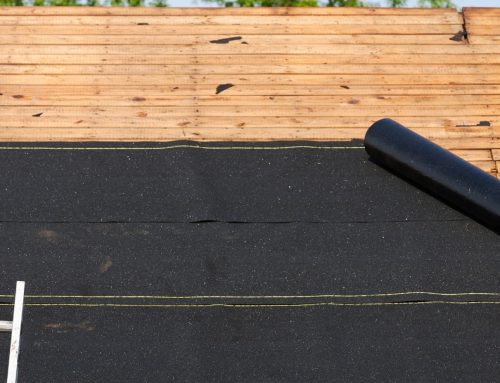
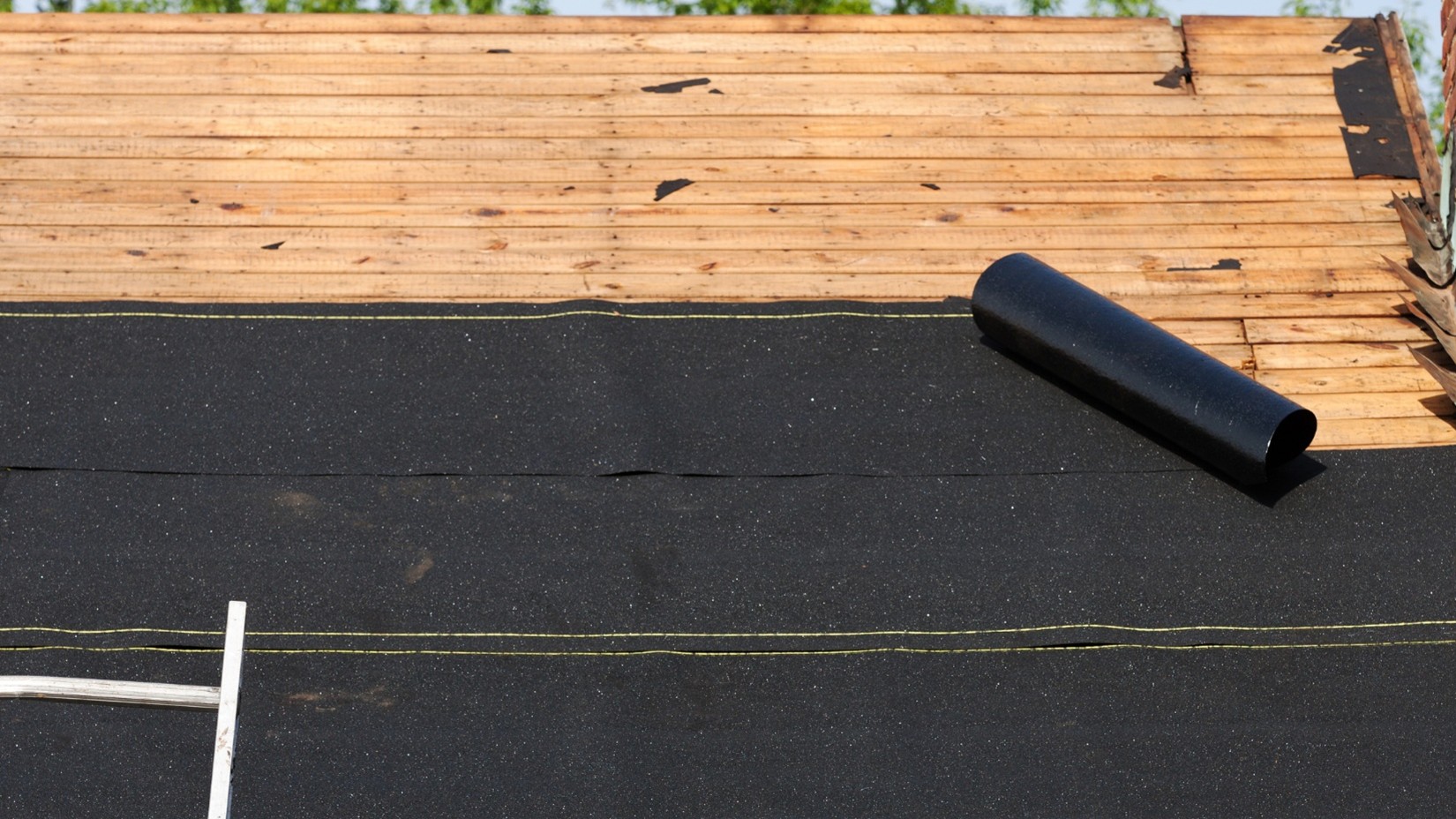
Tear-off adds labor and disposal cost. It also removes uncertainty. Decking can be inspected. Ventilation can be corrected. Flashing can be replaced properly.
That extra work often results in a roof that lasts significantly longer. The upfront cost difference sometimes disappears when lifespan is considered.
Insurance And Warranties Often Favor Tear-Off
Many manufacturer warranties require proper installation over clean decking. Some insurance policies look differently at layered roofs after storm damage. Coverage can become complicated when multiple layers exist.
A roofing company in Topeka helps homeowners understand how overlays affect coverage and warranties before committing.
Long-Term Ownership Changes the Equation
If the home will be sold soon, an overlay might seem acceptable. If the home will be lived in long-term, tear-off usually makes more sense. Problems delayed today often become bigger tomorrow.
Planning around how the house will actually be used leads to better decisions.
Cost Shouldn’t Be The Only Factor
Overlays reduce cost now. They often increase cost later. Repairs. Shorter lifespan. Limited warranty protection.
A Topeka roofing company frames the decision around total ownership cost, not just the invoice. That perspective matters.
FAQ
Is installing over an old roof legal?
Sometimes. Code allows it under specific conditions.
Will an overlay last as long as a tear-off roof?
Usually no. Lifespan is often shorter.
Does an overlay hide damage?
Yes. Existing problems remain underneath.
Is an overlay cheaper?
Upfront, yes. Long-term, not always.
Do all roofers recommend tear-off?
Reputable ones explain both options honestly.
Want to talk roofing? Reach out to us online at Alpha Roofing or call us at (785) 841-7663. We help homeowners. We help business owners. We help people protect what matters most.
We listen. We inspect. We build roofs that stand the test of time.
Our roofers are here to keep your home or business safe. Not to mention dry and looking its best.
Follow on us Facebook and Instagram for Northeast Kansas project highlights, help, and updates.